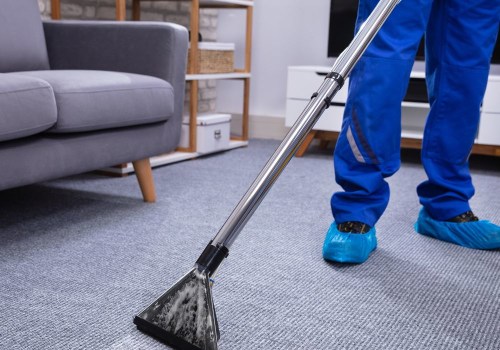
Professional house cleaners are trained not only in how to clean effectively, but also in what to avoid. Over time, experience shows that certain materials and surfaces can be easily damaged, discolored, or weakened by standard cleaning methods. Homeowners may assume that more scrubbing or stronger products always lead to better results, but cleaners know that this approach can permanently harm delicate finishes. Avoidance is often a sign of expertise, not neglect, as it reflects an understanding of how materials age, react, and fail under repeated stress.
Delicate Finishes and Reactive Materials
Many modern homes include surfaces that look durable but are actually quite sensitive. Natural stone like marble, granite, or travertine can react poorly to acidic or abrasive cleaners, leading to etching, dullness, or staining. High-gloss cabinets, lacquered furniture, and specialty wall finishes can scratch or cloud if wiped with the wrong cloth. Cleaners often avoid aggressive cleaning on these surfaces because even a single mistake can cause visible, irreversible damage. Instead, they may recommend specialty products or limit cleaning to gentle dusting unless specific instructions are provided.
Manufacturer Guidelines and Liability Concerns
House cleaners also avoid certain materials because of manufacturer recommendations and liability risks. Appliances, flooring, and fixtures often come with care instructions that prohibit common cleaning chemicals or techniques. Ignoring those guidelines can void warranties or create safety hazards. Professional cleaning services are careful to follow best practices to protect both the homeowner and themselves from costly consequences. Companies such as Impact Commercial Cleaning emphasize that knowing when not to clean is just as important as knowing how to clean, especially in homes with custom materials or high-end finishes.
Porous Surfaces and Hidden Damage
Some surfaces are avoided because damage is not immediately visible. Untreated wood, unsealed grout, and certain fabrics can absorb moisture quickly, leading to warping, staining, or mold growth beneath the surface. Excessive water or repeated wiping can weaken these materials over time. Cleaners may skip deep cleaning on these areas or use minimal moisture to avoid creating long-term problems that homeowners might not notice until much later. What looks like caution is often a preventive measure against hidden deterioration.
Age, Wear, and Structural Weakness
Older materials or surfaces already showing signs of wear are another reason cleaners proceed carefully or avoid certain areas altogether. Peeling paint, cracked tiles, loose veneer, or brittle fixtures can worsen with normal cleaning pressure. A surface that appears intact may be one cleaning away from failure. Professional cleaners are trained to recognize these warning signs and adjust their approach accordingly. Avoidance in these cases helps prevent accidental damage that could require repairs far more expensive than the cleaning itself.
Why Communication Matters
Cleaners often rely on homeowners to share information about special materials, recent renovations, or known problem areas. Without that context, avoiding certain surfaces is the safest option. Clear communication allows cleaners to tailor their methods or suggest alternative care solutions. It also sets realistic expectations about what cleaning can and cannot safely accomplish. When homeowners understand why certain areas are skipped or lightly cleaned, trust and results improve on both sides.
Protecting the Home Through Restraint
House cleaners avoid certain materials and surfaces because restraint protects the home. Their goal is not just cleanliness, but preservation. By recognizing limits, respecting material properties, and prioritizing long-term condition over short-term appearance, professional cleaners help maintain the value and integrity of a home. What they choose not to clean is often just as important as what they do.